
It’s common for users to first check the processor’s temperature when encountering any computer malfunction. The concern usually revolves around whether the processor is overheating or cooling down excessively. This is a logical first step, as overheating is one of the primary causes of errors and, in more severe scenarios, hardware damage. However, not everyone knows what constitutes a normal processor temperature. In this article, we’ll take a closer look at what the ideal processor temperature should be and why overheating poses a significant risk to your PC.
What is the normal temperature?
Modern processors are more «hot» than its predecessors, launched 5-8 years ago. If for the old critical temperature it is 65-70 ° C, modern processors can heat up to 100-105 ° C.
The normal temperature of the mobile processors in order is greater than the desktop processors. The former feel at ease at a temperature of 55-60 ° C with a climb less than 70-75 ° C. Those for the desktop need a temperature with 10 lower degrees. That is, under a normal task. During intensive work or during games, the temperature can increase to 65-70 ° C (on the laptop) and up to 55-65 ° C (on the desktop), with a pregnancy up to 75-85 ° C. which allows it to cool. If the temperature continues to increase and passes the permitted limit, the computer stops.
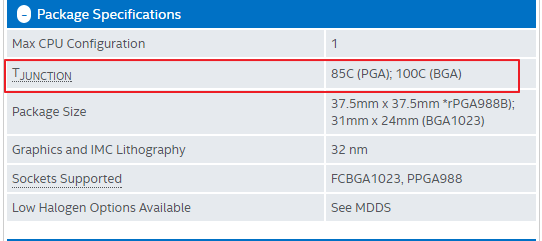
The maximum permitted temperature of the concrete processor is generally specified in its specifications.
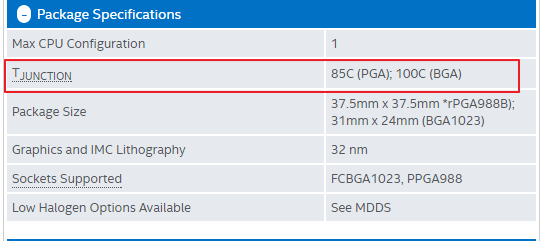
In this example (Intel® Core ™ i3-2310m processor laptop) two critical temperatures are displayed: 85 ° C and 100 ° C. This is because there are two types of processors. Processor in the housing PGA (Pin grid array) – Removable, his contacts are a number of pins e BGA (Array of sphere grid) – Advertible, his contacts are a number of balls, with which he is glued to the motherboard. The second option, as we can see, supports the higher temperature to the first.
How can I discover the processor temperature?
This is usually done with the help of hardware monitoring programs. Here are some of the most popular programs:
In Aida64 the necessary information is in the section «Sensor».
In Hwinfo – in the address book «Sensors».
How can I find the temperature of the processor in the bios? In the bios the necessary information is in the section «PC health status»(Another name -» Hardware monitor «). The option is called «CPU temperature»(Sau» Cpu Temp «,» Processor Temp «).
In the UEFI graphic versions Asus the temperature is influenced in the main screen:
Why is the processor overheating for the computer?
Sometimes, even a slight overheating of the processor can start panic attacks, users believe that the processor can burn. In fact, the temperature leap, even at a critical temperature, is not dangerous for the processor: the computer will simply close. Although this is dangerous for other components of the computer, especially for storage units and pitches on them. When the computer suddenly closes, the ends of the hard drive do not have time to return to the safe parking area and can damage the magnetic layer, on which information is recorded. In addition, the processor temperature can be considered as an indicator of the system condition, if the processor is overheated, it means that the hard drive also has a high temperature. And for the hard drive it is much more important to be in comfortable conditions than for the rest of the components.
A normal user, most likely, will never have the opportunity to see the «combustion» of the processor due to overheating (except in cases where you will help you). That we cannot say on other components of the computer. In addition to the hard drive, the «sauna» inside the system (in particular laptop) is dangerous for the video card and nutrition. Therefore, the monitoring of the processor temperature and other components of the PC is required.
latest posts published

Lokky, the Italian data driven insurtech for professionals and SMEs
An ally for cyber security: Load Balancing
Business Trend 2023 for SMEs, professionals and commercial activities
Occupational risks for pastry shops
How to read a pay slip
What are the most common cyber risks and how to protect yourself
Clinical Risk: What it is and What are the consequences
Commercial activities most affected by theft
October is European Cyber Security Month